 Taylor Consulting
Ticketing for Seychelles' marine parks
A turnkey electronic ticketing and access control system for the Seychelles Parks and Gardens Authority, delivered under the GOS/UNDP/GEF Protected Area Finance Project.
- ClientSeychelles Parks and Gardens Authority
- WorkSystems, integration, Android apps
- StatusLive, hosted and maintained by us

The challenge
Seychelles' national parks and marine protected areas are internationally significant for biodiversity and for tourism. Before this project, entry fees were collected in cash and through a paper voucher system. It was slow, error-prone and vulnerable to revenue leakage.
Rangers spent a disproportionate amount of their time collecting fees. Visitors were delayed. The authority had no timely way to reconcile ticket sales against the people actually entering its sites. The programme's terms of reference called for a hybrid system that works online and offline, to reduce cash handling, increase transparency and improve efficiency.
What we built
Three components, working from one central system:
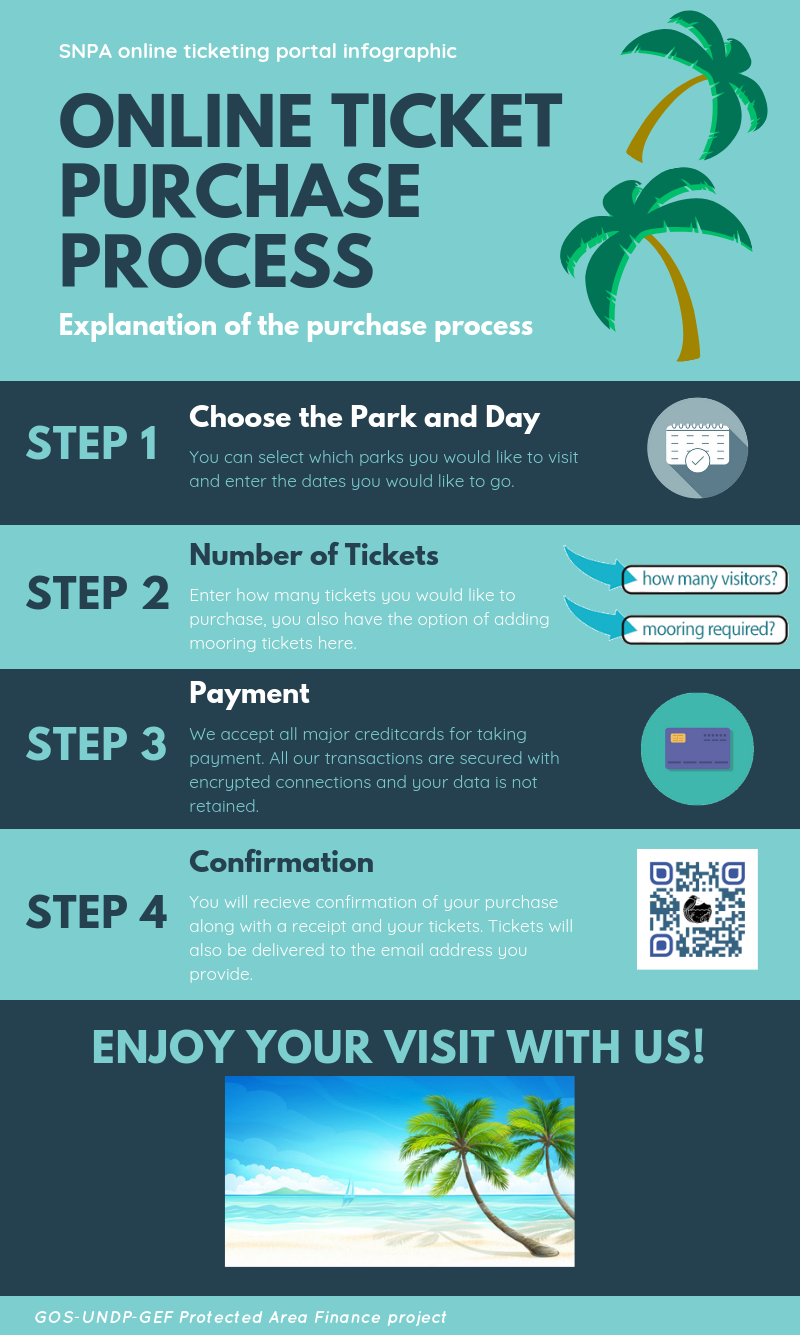
- Online ticketing portal. Visitors buy single and multiple-entry tickets, choose their marine protected areas and dates, and receive printable and mobile tickets with unique numbers and QR codes.
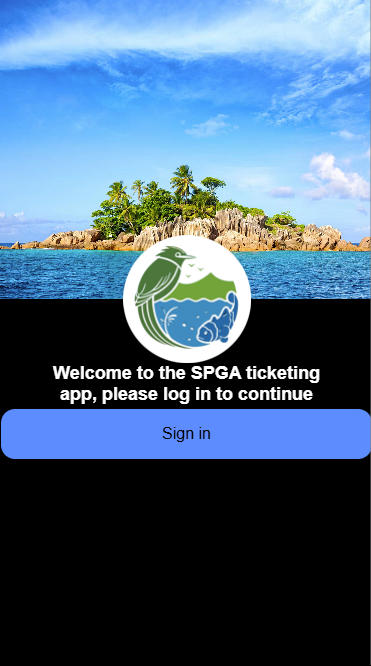
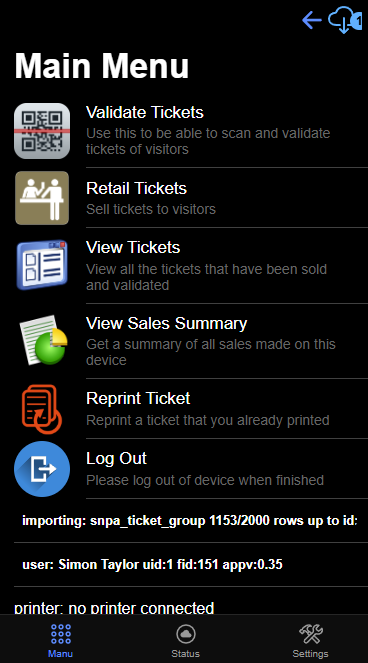
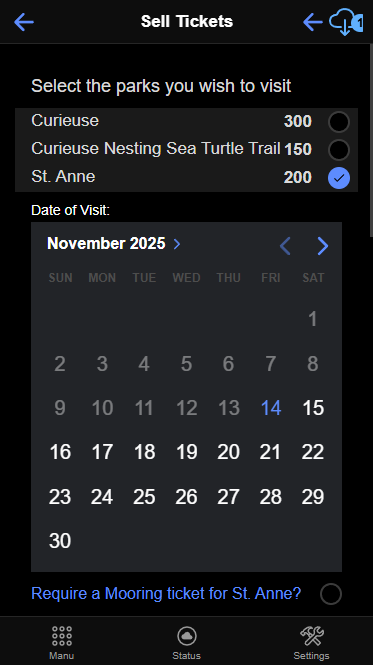
- Vendor Android app. Kiosks and retail partners sell tickets online or offline, accept cash or card, and print receipts on portable thermal printers.
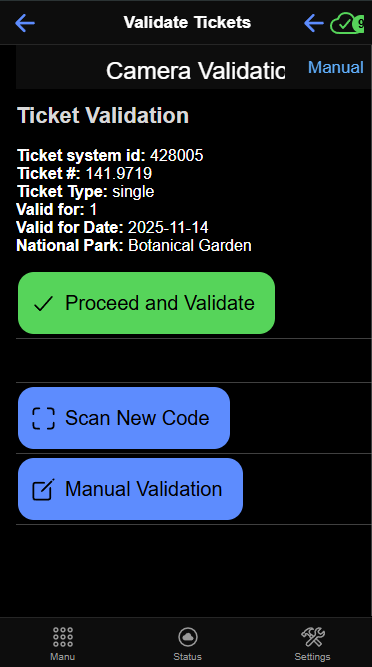
- Ranger validation Android app. Rangers scan and validate tickets in the field, record validations while offline, and sync to the central server when a connection is available.
The back end provides centralised reporting, audit trails, finance reconciliation and the API used by both apps and the website. An offline-first design with local caches keeps sites operating across islands where connectivity comes and goes.
Technology and hardware
- Back end: PHP, REST API, MariaDB
- Mobile: Android, with a local SQLite cache for offline operation
- Payments: integrated with banking and payment gateway APIs
- Hardware: rugged Android devices for rangers, and Android sales terminals with built-in thermal receipt printers for kiosks


Implementation and training
The project followed a staged delivery: inception, prototype, pilot, rollout, then ongoing hosting and maintenance.
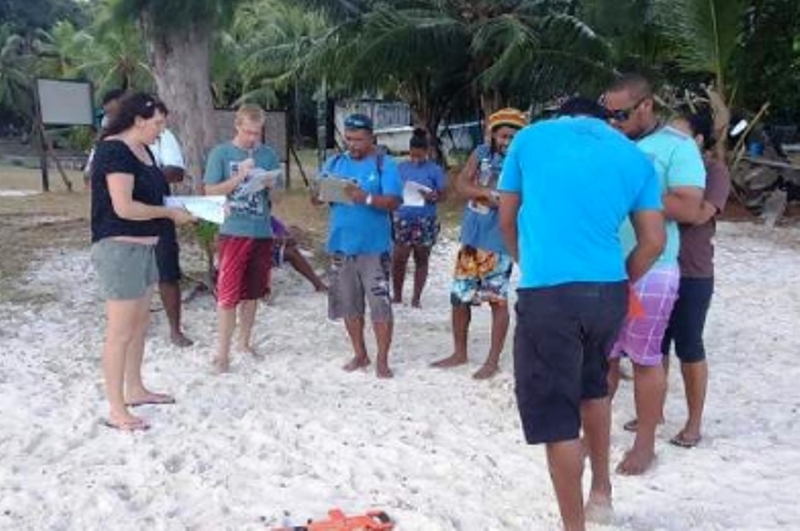
- Inception consultation in the Seychelles, including site visits and meetings with staff about their current processes and the problems they faced.
- Iterative development, with prototype testing and feedback sessions with SPGA and vendors.
- Pilot deployment at key embarkation points: La Digue Jetty, Côte d'Or and Ephelia/Port Launay.
- On-site training for SPGA staff and kiosk operators, and an operational troubleshooting manual.
- Training videos for ongoing staff training and reference.
- Hosting and management by Taylor Consulting, with a long-term support and maintenance agreement keeping the system current and operational around the clock.

Outcomes
- Less cash handling. The hybrid system removed much of the daily cash reconciliation burden and reduced leakage.
- Faster validation and enforcement. Rangers validate tickets quickly on mobile devices, improving visitor flow and compliance.
- Better revenue reporting. Centralised sales and validation logs give accurate, real-time reporting and simpler accounting.
- Better use of rangers. Time once spent on cash collection and paperwork went back to conservation duties.
- National recognition. The service became the leading online booking platform for venues in Seychelles and was presented as part of the GOS/UNDP/GEF programme outputs.
Alignment with GOS/UNDP/GEF requirements
The project was implemented under the GOS/UNDP/GEF Programme Coordination Unit, following its terms of reference and contractual arrangements. Deliverables included inception reports, trial versions, training materials and final software and hardware delivery, with communications branded to the unit's guidelines.
What comes next
The platform is modular. Possible next steps include multi-language support, roll-out to further protected areas and private reserves, integration with tourism partners' CRMs and ticket channel partners, and annual pass products that encourage repeat visits and conservation donations.
This case study draws on the original terms of reference and project proposal provided by the GOS/UNDP/GEF PCU and Taylor Consulting.